
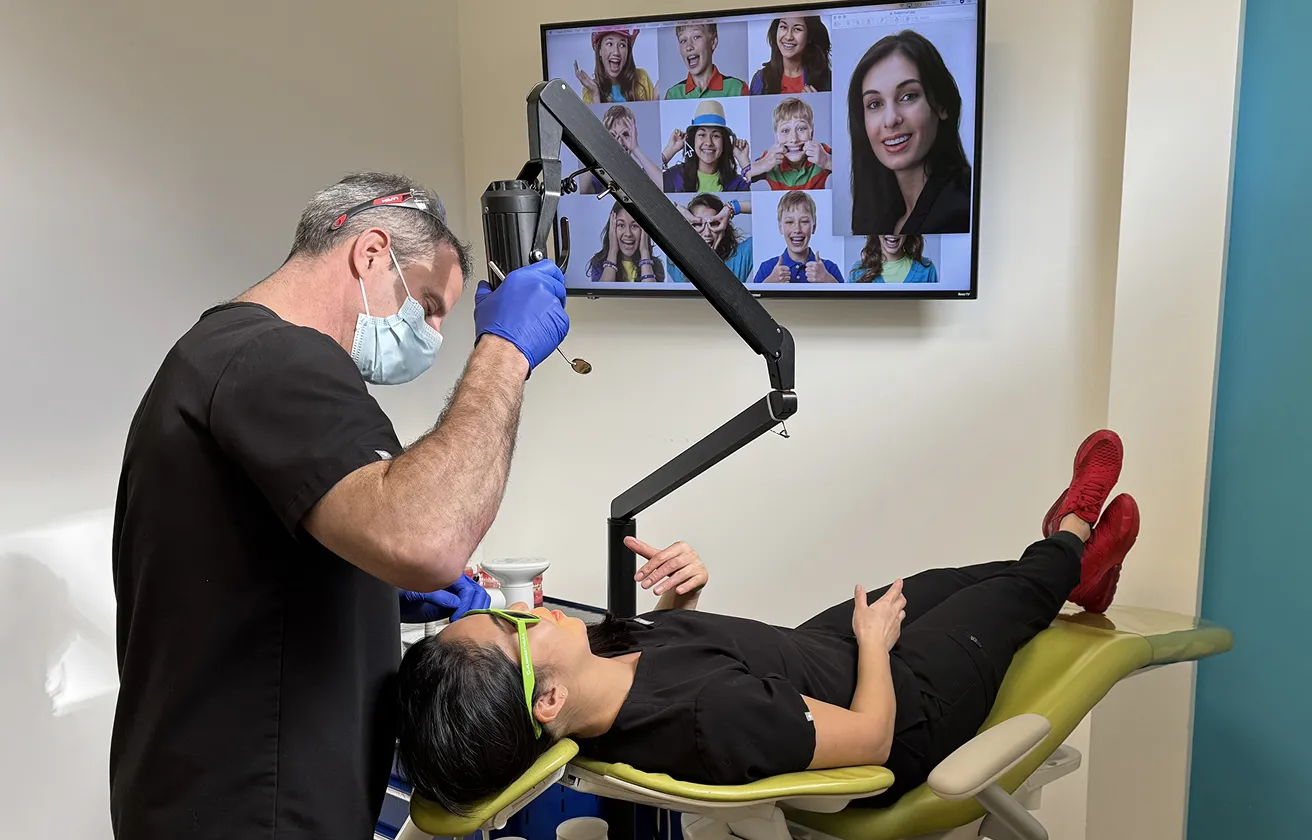
Finding the right person to straighten your smile is a big decision. If you're looking for orthodontic care in Kelowna, you want someone who understands your goals, has the training to handle your specific needs, and makes you feel comfortable throughout treatment. This guide covers what to look for in an orthodontic provider, so you can feel confident about your straighter smile before treatment even begins.
What Makes an Orthodontist Different from a Dentist?
An orthodontist is a dentist who has completed two to three additional years of specialty training focused specifically on straightening teeth, correcting bite issues, and guiding jaw development. This extra education covers tooth movement, facial growth patterns, and complex bite correction, making a real difference when treating difficult cases.
General dentists provide excellent care for cleanings, fillings, and overall oral health. Some also offer clear aligners for mild alignment concerns. Orthodontic specialists, though, focus exclusively on bite alignment and tooth positioning every single day. They see these cases constantly, which builds deep expertise. That matters.
Board certification is another factor worth considering. When a provider earns board certification through professional associations, it signals they've met rigorous standards beyond basic licensing requirements. Membership in organizations like the Canadian Association of Orthodontists shows ongoing dedication to the field.
Here's something worth knowing: not every provider offering aligners has specialty training. Some general dentists, like the team at Straight Smiles in Kelowna, bring a focused interest in orthodontics and years of dedicated clinical experience to smile care, even though they are not orthodontic specialists. The key is asking about training, experience, and the types of cases a provider handles regularly. Understanding this distinction helps you make a more informed choice.
How to Choose the Right Orthodontist in Kelowna, BC
Picking the right provider takes some homework, but it's time well spent. Here's how to approach it:
- Research credentials thoroughly. Look up the provider's education, specialty training, and how long they've been treating orthodontic cases. Years of focused experience matter. Check whether they hold board certification or membership in recognized professional organizations.
- Read patient reviews and testimonials. Real feedback from other patients tells you a lot about what to expect. Look for comments about communication, results, and overall experience. Pay special attention to reviews from people with cases similar to yours.
- Visit the office in person. A simple office visit tells you plenty. Cleanliness, how the staff treats you, whether the environment feels welcoming, and whether you see modern technology like digital scanners all give you a sense of how current the practice is.
- Ask about treatment options. A good provider offers more than one solution. Whether it's metal braces, clear braces, or clear aligners, you want choices that fit your lifestyle. If they only push one option, that's a red flag.
- Schedule a consult. This is your chance to meet the team and ask questions. Notice how they explain things. Do they listen to your concerns? Do they take time to answer thoroughly? At Straight Smiles in Kelowna, the team takes a patient-first approach, creating individual care plans for each person who walks through the door.
The consult reveals a lot about treatment philosophy. Some providers rush through appointments. Others take their time, explain your options clearly, and make sure you leave feeling informed rather than pressured.
Benefits of Choosing a Qualified Orthodontic Specialist
Working with someone who specializes in orthodontics shows up in the details, from diagnosis to final results. Here's what that looks like in practice:
What Treatment Options Do Specialists Offer?
Specialists typically offer braces (metal and clear), clear aligners, jaw expansion appliances, and two-phase treatment for growing children. You're not limited to a single approach, and that flexibility matters.
Precise treatment planning also comes with the territory. Modern diagnostic technology like iTero® scanning and 3D printing creates detailed images of your teeth, leading to better-fitting appliances and more predictable results. At Straight Smiles, our team uses these tools to build a personalized treatment plan for every patient.
How Does Specialist Training Improve Outcomes?
Bite issues, TMJ concerns, and airway problems require advanced knowledge. Providers with dedicated orthodontic training, including board-certified specialists and those with focused clinical experience, handle these situations routinely.
Proper diagnosis also reduces the chance of needing retreatment later. Getting it right the first time saves you time, money, and frustration. Both the American Association of Orthodontists and the Canadian Association of Orthodontists recommend an initial evaluation by age seven.
Orthodontist vs. General Dentist vs. DIY Aligners: How They Compare
Not sure which route to take? This comparison breaks down your options:
| Factor | Orthodontic Specialist | General Dentist with Aligners | DIY Mail-Order Aligners |
|---|---|---|---|
| Training | 2-3 years specialty training after dental school | Dental degree plus short aligner courses | No professional oversight |
| Case Complexity | Handles all levels, including severe bite issues | Best suited for mild crowding only | Limited to very simple cases |
| Monitoring | Regular in-person visits with adjustments | Periodic check-ins | Remote monitoring via photos |
| Technology | Advanced imaging, 3D scanning, custom appliances | Varies by practice | Basic impressions or scans |
| Safety | Full examination before treatment | Examination included | No in-person exam |
DIY aligners might seem convenient, but they come with real risks. Moving teeth without proper supervision can cause root damage, bite problems, or gum recession. It's not worth the risk. The American Dental Association has raised concerns about unsupervised orthodontic treatment for good reason. Practices like Straight Smiles are equipped to handle more involved cases with proper diagnostic tools and ongoing monitoring.
Complex cases involving jaw alignment, airway issues, or significant bite problems absolutely require specialist-level care. If your case involves anything beyond mild crowding, professional oversight isn't optional. Cutting corners here can create bigger problems down the road.
What Factors Affect the Cost of Orthodontic Treatment?
The cost of orthodontic treatment in Kelowna depends on several factors, including the type of appliance, how complex your case is, how long treatment takes, what payment options are available, and whether your insurance covers orthodontic care. Most practices provide a full cost breakdown at your first consult so you can plan ahead. Here's a closer look at each factor:
- Treatment type. Metal braces, clear braces, and clear aligners each have different price points. Two-phase treatment for children involves fees for the early intervention phase as well.
- Case complexity and duration go hand in hand. More severe crowding or bite issues typically require longer treatment, which means more appointments and adjustments adding to overall fees.
- At Straight Smiles, you get expert treatment without specialist fees. Many practices also offer affordable monthly payments and payment calculators to help families budget for care. Ask about these options during your consult so you can plan ahead.
- Insurance coverage is another piece of the puzzle. Check your dental benefits before starting. Many plans cover a portion of orthodontic treatment, especially for kids and teens.
A consult gives you a clear picture of what to expect financially. Knowing the numbers upfront, along with your personalized treatment plan, helps you make a decision that works for your family's budget.
Who Should See an Orthodontist? Signs You're a Candidate
Kids, teens, and adults all benefit from straighter smiles. Anyone with crowded teeth, bite problems, jaw discomfort, or airway concerns is a candidate for orthodontic care. Watch for these signs:
- Crowded, spaced, or crooked teeth respond well to treatment at any age. Even mild crowding can worsen over time if left alone.
- Bite problems like overbite, underbite, crossbite, and open bite all affect how your teeth come together. Left untreated, they can cause uneven wear and jaw discomfort.
- Notice jaw clicking or popping? That sometimes relates to bite alignment. An orthodontic evaluation can determine whether treatment would help.
- Mouth breathing or snoring in children can connect to jaw development. Early intervention makes a meaningful difference while a child is still growing.
- Is your child around age seven? That's a good time for a first evaluation, when both baby teeth and permanent teeth are present.
Frequently Asked Questions About Choosing an Orthodontist
What questions should I ask at an orthodontic consult?
Ask about the provider's experience with cases like yours, what treatment options they recommend and why, how long treatment typically takes, and what the total cost includes. Find out whether the provider is an orthodontic specialist or a general dentist with orthodontic training, so you understand their background.
How do I know if an orthodontist is board certified?
Check with dental regulatory bodies or professional associations like the Canadian Association of Orthodontists. Board-certified specialists have passed additional examinations demonstrating their expertise, typically through a recognized orthodontic residency program and national certification boards.
Is it worth seeing an orthodontist instead of using mail-order aligners?
Yes. In-person evaluation catches problems that photos miss. Supervised treatment protects your teeth and gums while making sure your bite aligns properly. The long-term value of professional care typically outweighs the initial savings of DIY options.
What age should my child first visit an orthodontist?
Around age seven is ideal. Enough permanent teeth have come in to identify potential issues, but there's still time to guide jaw growth and create space for teeth that haven't erupted yet. Early evaluation doesn't always mean early treatment, but it gives you a head start on planning.
What should I expect during my first orthodontic consult?
Your first visit typically includes a full examination of your teeth, bite, and jaw. The provider may take digital scans or X-rays to get a detailed picture of what's happening beneath the surface. From there, they'll walk you through any concerns, discuss treatment options, and give you a clear cost estimate. At practices like Straight Smiles, plan for about an hour. You'll leave with all the info you need to decide on your own timeline.