
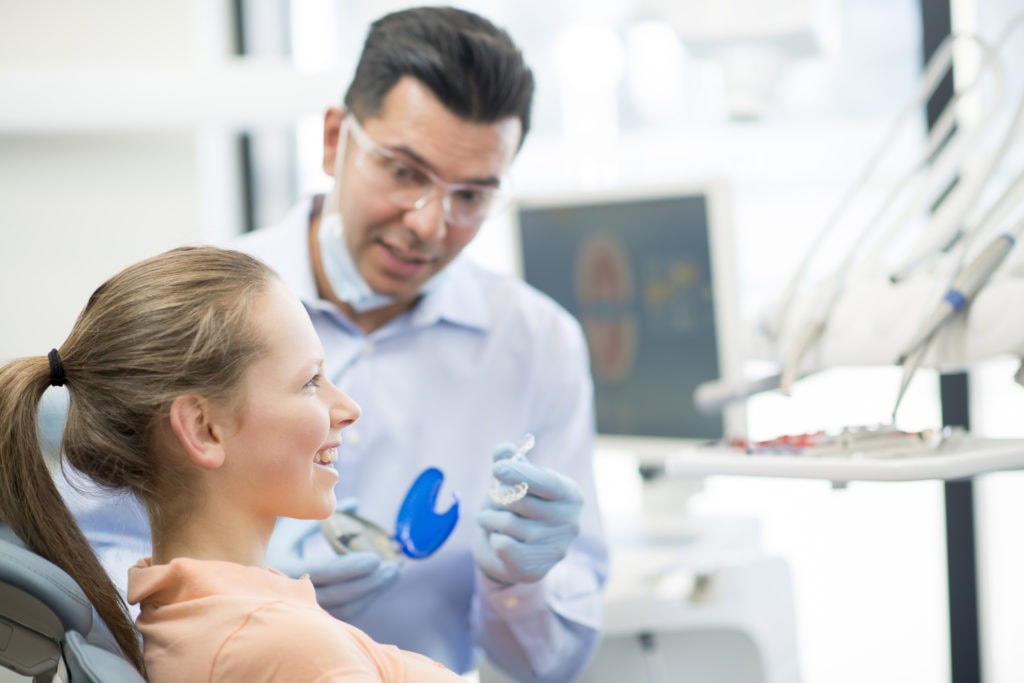
Finding the Best Orthodontist: What to Look For
If you've ever searched for an orthodontic provider online, you've probably noticed dozens of options pop up, from specialists to general dentists to mail-order aligner companies. How do you sort through all of that? Knowing what credentials matter, what questions to ask, and what red flags to watch for can make the difference between a great result and a frustrating one. Whether you're looking for orthodontic care in Kelowna, BC or anywhere else, this guide breaks down what separates a qualified provider from the rest, so you can make a confident choice for yourself or your family.
What Makes an Orthodontist Different From a Dentist?
An orthodontist is a dental specialist who completes two to three years of residency training beyond dental school, focusing exclusively on tooth movement and jaw alignment. This focused education covers bite alignment, jaw development, and the biomechanics of how teeth respond to force. While all orthodontists are dentists, not all dentists are orthodontists. At Straight Smiles in Kelowna, BC, our team understands this distinction well, and we believe patients deserve clarity about what different credentials actually mean.
Board certification from the Royal College of Dentists of Canada signals that a provider has met rigorous competency standards in orthodontic care. This distinction matters because moving teeth involves complex forces that affect not just your smile, but your jaw function and overall oral health.
Here's the key point: not every dentist offering aligners has orthodontic specialty training. Some general practitioners develop a deep, focused interest in orthodontics through years of continuing education and hands-on practice. This path can produce excellent results for many patients. Understanding a provider's specific training and experience helps you make an informed choice.
When evaluating any provider, ask about their background. A general dentist with a focused interest in orthodontics, like Dr. James Scramstad at Straight Smiles, brings years of dedicated study and clinical experience to treatment planning, even though his path differs from a traditional specialist residency. That distinction is worth understanding as you compare your options.
How to Evaluate an Orthodontist: A Step-by-Step Guide
Finding the right provider takes a bit of research, but the effort pays off. Here's a practical approach:
Step 1: Verify Credentials
Check the provider's educational background and years of experience. Look for specialty certification or evidence of advanced orthodontic training, such as a dental degree paired with documented continuing education in orthodontics. Provincial dental college registries list active practitioners and any disciplinary history.
Step 2: Research Online Reviews
Read what actual patients say on Google, Facebook, and health directories. Look for patterns. Do people mention feeling comfortable? Are results consistent? Pay attention to how the practice responds to concerns. That tells you a lot about their culture.
Step 3: Evaluate Treatment Options
A well-rounded practice offers multiple treatment approaches. Ask whether they provide metal braces, clear braces, clear aligners, jaw expansion appliances, and two-phase treatment for children. Limited options might mean limited solutions for your specific needs.
Step 4: Ask About Technology
Modern orthodontic care uses digital scanning, 3D imaging, and sometimes virtual consult options. Technology like iTero scanning eliminates messy impressions and improves treatment accuracy. Practices investing in up-to-date equipment often deliver more comfortable, efficient care. It shows they're paying attention.
Step 5: Visit in Person
Nothing replaces walking through the door. Notice how the staff communicates. Do they answer your questions clearly? Does the environment feel welcoming? Trust your instincts about whether this team will support you throughout treatment. A good sign: the team takes time to explain things without rushing you, and the office feels organized rather than chaotic. You should leave feeling informed, not pressured.
Benefits of Choosing a Qualified Orthodontic Specialist
Working with a qualified provider who focuses on orthodontics offers advantages that affect both your results and your overall treatment experience:
The Real Impact of Specialized Training
Providers with deep orthodontic training can identify bite problems, jaw discrepancies, and airway-related concerns that less experienced practitioners might miss entirely. That diagnostic accuracy shapes everything that follows, from the treatment approach to the final outcome.
Rather than being limited to one product line, a provider with broad training recommends what actually works best for your situation. You get options based on clinical judgment, not on what a single company offers. Big difference.
Specialized knowledge of tooth movement biomechanics also means fewer complications and more predictable results over time. This is especially true for complex cases involving jaw alignment or significant crowding.
How Does Technology Improve Outcomes?
Digital impressions and 3D printing often mean fewer visits to the office and a smoother experience overall. Kids, teens, and adults all spend less time in the chair, and the treatment itself tends to be more precise.
Early intervention expertise matters too. Providers with focused orthodontic training can spot when two-phase treatment benefits younger patients, potentially preventing more involved care down the road.
At Straight Smiles, every personalized treatment plan is built around your specific goals and comfort. That kind of attention makes a real difference in how your treatment unfolds.
Orthodontist vs. General Dentist vs. DIY Aligners: How They Compare
Not all orthodontic care is equal. Understanding the differences helps you weigh your options:
| Factor | Orthodontic Specialist | General Dentist with Ortho Focus | DIY Aligner Companies |
|---|---|---|---|
| Training Level | 2-3 years specialty residency | Continuing education courses | No in-person provider |
| Treatment Scope | Complex cases, jaw issues, all ages | Basic to moderate alignment | Mild crowding only |
| Supervision | Regular in-office monitoring | In-office monitoring | Remote or none |
| Technology | Full diagnostic imaging | Varies by practice | Limited to photos/scans |
| Risk Level | Lowest | Low to moderate | Higher |
| Adjustment Capability | Real-time modifications | Real-time modifications | Limited or none |
Orthodontic specialists complete a two- to three-year residency accredited by bodies like the Royal College of Dentists of Canada, and they handle the most complex cases, including jaw discrepancies and TMJ issues. General dentists with a focused interest in orthodontics, like the team at Straight Smiles in Kelowna, can provide excellent care for straightforward to moderate cases. Years of dedicated continuing education and hands-on clinical work give them the skills to manage most alignment concerns effectively. With mail-order aligners, no one examines your teeth, gums, and jaw in person before treatment begins, which risks misdiagnosis and poor outcomes.
The biggest concern with those mail-order options? Problems that should disqualify you from aligner therapy might go undetected. In-office monitoring allows real-time adjustments that remote companies simply cannot provide.
What Affects the Cost of Orthodontic Treatment?
Orthodontic treatment in Kelowna, BC typically ranges in cost depending on case complexity, appliance type, treatment duration, and insurance coverage. At practices like Straight Smiles, understanding these variables upfront helps you plan ahead and avoid surprises.
Treatment complexity and duration are the biggest cost drivers. A mild spacing issue takes less time than a severe bite correction, which directly affects the total investment. Cases requiring jaw repositioning or multiple phases will typically cost more than simple alignment.
The type of appliance you choose matters too. Metal braces, ceramic braces, and clear aligners each have different price points. Your provider can walk you through which options fit both your budget and your goals.
Payment flexibility varies by practice. Many orthodontic offices offer affordable monthly payments and interest-free financing. At Straight Smiles, a payment calculator helps you understand your options before committing, so there are no financial surprises along the way.
Insurance coverage differs between plans, and it's worth asking about direct billing and strategies for maximizing your benefits. Your provider's team can often help you understand what your plan covers and how to get the most from it.
Initial consults at many practices are free or low-cost, giving you a chance to understand your total investment upfront. This consult typically includes an exam, imaging, and a treatment discussion with no obligation.
Who Should See an Orthodontist? Signs It's Time to Book a Consult
Kids, teens, and adults with bite problems, crowding, or jaw discomfort are all candidates for orthodontic care. If you're noticing any of the signs below, whether in yourself or your child, it's worth scheduling an assessment. Early evaluation often saves time, money, and discomfort compared to waiting until problems get worse. Here are the most common reasons people book a consult:
- Crowded, spaced, or crooked teeth are the most common reasons people seek treatment. These issues affect both appearance and oral health, making them worth addressing sooner rather than later.
- Jaw pain, clicking, or TMJ symptoms may point to a bite problem that needs evaluation by a provider with orthodontic expertise.
- Children around age 7 should have their first orthodontic assessment. The Canadian Association of Orthodontists recommends this timing even if treatment isn't needed yet, because early screening catches developing issues before they become more serious.
- Adults of any age. There's no upper age limit for orthodontic treatment, and more adults than ever are choosing to straighten their smiles.
- Breathing or sleep concerns sometimes connect to jaw positioning, which an orthodontic provider can evaluate as part of a thorough assessment. These cases often overlap with airway health, and a trained eye can spot the connection.
If any of these apply to you or your child, a consult provides clarity. You'll learn whether treatment is recommended, what options exist, and what timeline to expect.
Frequently Asked Questions About Choosing an Orthodontist
What happens during the first orthodontic visit?
Your first visit typically includes a thorough exam, diagnostic imaging, and a treatment discussion tailored to your situation. The provider will assess your teeth, bite, and jaw function, then explain what they find and recommend next steps. There's no pressure to commit on the spot, and most people leave feeling much more informed about their options.
How do I know if a provider is board-certified?
Check your provincial dental college registry, which lists all licensed practitioners and their credentials. You can also ask the practice directly about the provider's training and certifications. Reputable offices are happy to share this information.
Is it worth paying more for a specialist over a general dentist?
For complex cases or growing children, specialty training often makes a meaningful difference in outcomes. For straightforward adult alignment, a dentist with a focused interest in orthodontics and solid clinical experience can deliver excellent results. The key is matching your specific needs to the provider's expertise and track record.
Can I get a virtual consult first?
Many practices now offer virtual consults for convenience. This lets you discuss your concerns and get preliminary feedback before visiting in person. It's a great first step if you're unsure whether you need treatment or want to explore your options from home before committing to an office visit.
How long does orthodontic treatment typically take?
Treatment usually takes somewhere between 12 and 24 months, though your timeline depends on what needs to happen. Your provider will give you a personalized estimate during your consult. Some minor corrections wrap up faster, while significant bite issues may require a longer treatment window, but the initial assessment gives you a realistic picture of what to expect.
If you've been putting off looking into treatment, a quick consult can give you real answers without any commitment. The team at Straight Smiles in Kelowna is always happy to answer questions and help you understand your choices, with no pressure and no obligation. Get started on your new smile today.